

fetal experience : ค้นหาหนังสือธรรมะ หน้า 23 / 26
หน้าหนังสือทั้งหมด
70
Understanding Suffering: The Dukkha of Illness and Dying
in its place. Even the Buddha and the enlightened ones are
subject to the suffering of illness — so who are we to over-
look the misery of illness?
4. Suffering as a result of Dying [marana dukkhā]
Al
This text delves into the concepts of suffering in Buddhism, particularly focusing on the pain associated with illness and the inevitable reality of death. It elucidates how all beings, including enli
71
The Suffering of Death
them terrible fear of hell at the end of their life. This is another aspect of the suffering of death.
As for the wealthy who have so many possessions, or those with lots of relatives, there is a tend
This text discusses the various aspects of suffering that accompany death, including the fear of hell, anxiety over possessions and loved ones, and the experiences of those who face execution. It high
78
Understanding the Noble Truth of Suffering
tial a person might be, it doesn't merit any special consideration on suffering's part — all are equal in the face of suffering. Thus, realization of the reality of suffering for what it really is, to
This section discusses the Buddhist understanding of suffering, emphasizing that all beings are equal in their experience of suffering. It highlights the significance of realizing the Noble Truth of S
81
Understanding Ascetic Practices and the Pursuit of Brahmā Realms
The ascetics who subscribe to this dogma and who have developed a certain degree of meditation, may acquire the ability to recollect their previous lives and will know what form they had taken in prev
Ascetics who follow specific dogmas may recollect their past lives and aspire to be reborn in the Form-Brahmā world, striving for the Ultimate Truth. They believe that by enhancing their meditation pr
90
Understanding the Pursuit of Happiness and the Cycle of Existence
Those who search for happiness via sense pleasure only
experience happiness at the moment before suffering mani-
fest itself. As soon as suffering becomes manifest, such peo-
ple are often so shocked
This text discusses the fleeting nature of happiness derived from sense pleasures and the inevitable suffering that follows. It compares individuals ensnared by cravings to a rabbit caught in a hunter
93
Understanding the Impermanence of the Body and the Pursuit of Transcendence
wise will use the indications of deterioration in their own body to wake themselves up to the fact that the body can offer the spirit no true refuge.
**The Physical Body is a Storehouse of Unwholesome
The text discusses the physical body as a storehouse for unwholesomeness, suffering, and illnesses due to our desires. It contrasts this with the nine supreme transcendental attainments, which include
98
Exploring Sensual Delights and the Six Sense Organs
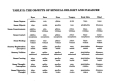
TABLE II: THE OBJECTS OF SENSUAL DELIGHT AND PLEASURE
| | Eyes | Ears | Nose | Tongue | Body Skin
This table presents an intricate overview of the six sense organs in relation to their corresponding objects, consciousness, contact, feelings, registration, volition, craving, thought conception, and
109
Attaining the Angelic Body through the Middle Way
[vimuttīnādassana] will be attained. When the mind is brought to a standstill at the centre of the Sphere of the Seeing and Knowledge of Liberation the Angelic Body will be attained.
By now the sequen
The text discusses the attainment of the Angelic Body through a process of concentration and the sequential progression from the Coarse Human Body to various forms of Brahmā bodies, culminating in the
117
The Noble Truth of the Cessation of Suffering
The Noble Truth of the Cessation of Suffering: A Conclusion
The Lord Buddha taught that the cessation of suffering can
be effected by extinguishing all craving through the prac-
tice of the Noble Eigh
The conclusion on the cessation of suffering according to the Buddha highlights the need to extinguish craving through the Noble Eightfold Path. Once craving is eliminated, suffering cannot return. Ou
122
The Journey to Inner Bodies and Enlightenment
(also called the 'astral body' or 'dream body') all the way up to the various bodies of enlightenment.
The meditator can see and consider bodies within the body by setting their attention to the centr
This text describes the meditative journey towards discovering inner bodies, known as the astral or dream body, and various spheres of awareness that lead to enlightenment. It details how focusing att
140
Understanding the Dhammakāya and Its Mind
reaching the Dhammakāya and becoming one and the same as the Dhammakāya. The body of the Dhammakāya incorporates layers of perception, sensory registration, central processing and cognition in just th
The Dhammakāya embodies a body that resembles human perception while its mind can expand significantly, allowing the meditator to observe the eight inner bodies. This process unveils the Three Signs o
194
Choosing the Right Disciples in Buddhism
so many lifetimes in his past of pursuing Perfections, still
had to waste six years in the discovery of the Dhamma, stak-
ing his own life for the knowledge — how much harder
would it be for others to
Through his past lifetimes and pursuit of Perfection, the Buddha dedicated six years to discover the Dhamma. Acknowledging the difficulty others may have in understanding, he chose his first disciples
197
The Middle Way: Buddha's Revolutionary Teaching
tered to liberate themselves from suffering, but because the strongest spiritual trend of the time was the practice of self-mortification, many went astray or perished in their quest. Having tormented
This text discusses the historical context of the Buddha's teachings, emphasizing how many were misled by the practice of self-mortification in their quest for liberation from suffering. It highlights
212
The Noble Truths of Suffering and Cessation
πεonæbhabikä <3.2.1.2> nandīrāga- one to one's here-and-now existence — and compries Craving for sensual pleasure; Craving for
sahagata <3.2.1.3> tatra taträ- the pleasure of the "form-absorptions"; C
This text discusses the Noble Truth of suffering (dukkha) and its cessation, emphasizing the importance of extinguishing craving to achieve liberation. It presents the Eightfold Path as the method to
217
The Moment of Enlightenment
brahmunā vā kenaci vā lokasminṭi”.
Itīha tena khaṇena tena muhuṭṭena yava brahmalokā saddo abbhuaggacchi. Ayāṅca dasasahassi lokadhātu saṅkampi sampăampi sampa’vedhi. Appamaṇo ca olāro obhāso loke pā
In a significant moment, a cry ascended to the Brahma-world, causing a tremor throughout the ten-thousand-fold cosmos and releasing a vast radiance that surpassed that of the deities. Bhagavā acknowle
228
Understanding Nibbāna and the Noble Truths
natal wind 61
neighbourhood concentration 43,
neither-perception-nor-non-perception, absorption of 193
nibbāna, anupadisesa 21, 112, 114;
ayatana 21, 102, 112, 114; sa
upādisesa 21, 112, 113-4
Nirvana
This text delves into key concepts in Buddhist philosophy, particularly Nibbāna and the Noble Truths. It discusses the interrelation of teachings, the significance of practicing the Middle Way to atta
246
Fundamental Concepts in Buddhist Psychology
rasa-saṅchetana (gasticatory volition: see sense volition)
rasa-saṃnā (gasticatory sense registration: see sense registration)
rasa-tanḥa (gasticatory craving: see sense craving)
rasa vicāra (ga
This text elaborates on significant concepts in Buddhist psychology, including gasticatory and visual perceptions such as rasa (taste) and rūpa (form). It addresses terms like gasticatory volition, se
255
Meditation and the Sphere of Dhamma
attention at the centre of that object, by imagining that there is an
additional tiny star visible there. Focus your mind continuously
on the tiny star at the centre of the object of meditation. The m
This text outlines a meditation technique centered on visualizing a tiny star within the meditation object, promoting a perfect stillness of the mind. As the practitioner focuses on this 'Pāṭhama-magg
258
The Benefits of Meditation: Cooperation, National and Spiritual Growth
● Cooperation: Family members will be more enthusiastic to honour their duties and co-operate towards solving shared problems.
3. National Benefits
● Peaceful Society: most grave social problems origi
Meditation encourages family cooperation and enhances duty fulfillment. It contributes to a peaceful society by addressing root social issues like crime and substance abuse. Improved respect and hones
42
Untitled
sight of a few biting ants? In self-disgust, he set aside the bottle and continued to meditate unprotected.
The bright clear sphere of Dhamma which he had first perceived before his midday meal was
This is a summary of the text captured from the OCR process. It includes key points and overarching themes discussed within the text, designed for understanding by the reader. For more details, please